
BMW Rear Brake Pads
The rear brake pads on a BMW are intended to produce a controlled amount of friction at the rear axle and assist in keeping the vehicle steady when braking. They function as part of a system that includes the calipers, rotors, sensors, and electronic brake controls, and therefore the condition of the pads can affect the level of noise, the consistency of the brake pedal, and the way braking force is distributed. It is also possible to prevent unnecessary damage to the rotors by replacing the pads before the friction material wears out.
The cars available include everyday models like the 128i, 320i, 528i, X1 and X3 as well as performance models such as the M4; genuine BMW rear brake pads are designed to match specific factory brake setups and thus offer owners a more predictable selection regarding pad dimensions, caliper fit, friction properties, and compatibility than brakes which are made to fit several unrelated applications.

Brake Pads Front Axle 9100G82GT4
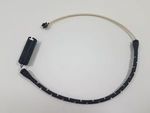
Wear Indicator
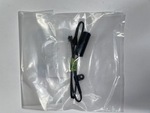
Wear Indicator
No results found for "rear brake pad". Here are some helpful search tips:
- Search by a part name. Example: water pump.
- Be less specific. Example: brake instead of ceramic brake.
- Remove information such as make, year or model.
- Can't find the part you are looking for? Contact us and we'll find it for you!
Rear Brake Pad Wear Is Not the Same on Every BMW
TL;DR: The lifespan of the brake pads is influenced by the type of BMW, the brake system it is fitted with, the driving conditions, and the way the vehicle uses its braking system. You should examine the pads' actual condition, determine the exact factory specifications for their application, and assess the rotors and calipers before buying a new set. The mileage alone should not be used as the basis for replacing the pads.
The operating conditions of the rear brakes vary greatly according to the type of vehicle. For example, a 3 Series driven as a commuter may perform thousands of light braking operations, whereas the M model can subject its brake system to considerably higher temperatures. In an electric BMW such as the i3, regenerative braking may reduce the need to use friction brakes when driving under normal conditions, so that corrosion and ageing can in some cases be just as important to consider as simple pad thickness.
Use the Wear Pattern as a Diagnostic Clue
When you are checking the rear axle, you should compare the inner pad with the outer pad rather than just looking at the surface which is easiest to see. If the inner pad is noticeably thinner, it may indicate that the caliper is not releasing or moving as it should. In such a case, fitting new pads without tackling the cause can lead to another shortened service interval. Related BMW brake calipers should be considered when abnormal movement or uneven wear is found.
Rotor Condition Changes the Quality of the Repair
New pads do not automatically correct a damaged braking surface. Heavy scoring, heat-related discoloration, corrosion, or a rotor that has reached its service limit can affect how evenly fresh friction material contacts the disc. Inspect the matching BMW brake rotors. At the same time, the system is accessible instead of treating the pads as a completely separate repair.
Choose by Brake Configuration, Not Just Model Name
BMW offers a variety of rear brake configurations within a single model range. The specific components needed can vary depending on the vehicle's production date, the engine type, the trim level, and any optional performance equipment. Because of this, VIN-based verification is particularly useful when placing an order.
Model-specific categories can help narrow the search. Owners can browse 128i brake pads, 320i brake pads, 535i brake pads, BMW i3 brake pads, BMW M4 brake pads, and BMW X3 brake pads. The broader BMW brake pads section is useful when comparing front and rear applications.
Key Takeaways
- The mileage for the rear pad differs greatly among conventional, performance, and electrified BMW models.
- The differences in thickness between the inner and outer pads can show up problems with the caliper before the new parts are fitted.
- Even when a large amount of pad material is still left, friction brakes that are used infrequently can become corroded.
- The condition of the rotor affects the ability of a new pad set to bed in and wear in.
- The verification of VINs helps to resolve any differences in the brake packages within the same model range.
Frequently Asked Questions
Does the mileage for replacing the rear brake pads on a BMW remain fixed?
Nothing affects wear because of the way the vehicle is driven, the design of the brake system, the environment, and the vehicle's configuration; physical inspections together with service records are more useful than the mileage alone.
Why does the inner rear brake pad wear more quickly than the outer one?
Uneven wear may take place if the caliper is not moving freely or if another brake component is not working properly. The reason for this should be found out before fitting the new set.
Can BMW i3 brake pads last longer because of regenerative braking?
Regenerative braking may reduce the need to use the friction brakes in certain driving conditions. Yet, this low level of use does not eliminate the need for inspections, since the brakes can still be affected by age, surface corrosion, and environmental exposure.